What is B2B Sales? The Complete 2026 Guide to Modern B2B Selling
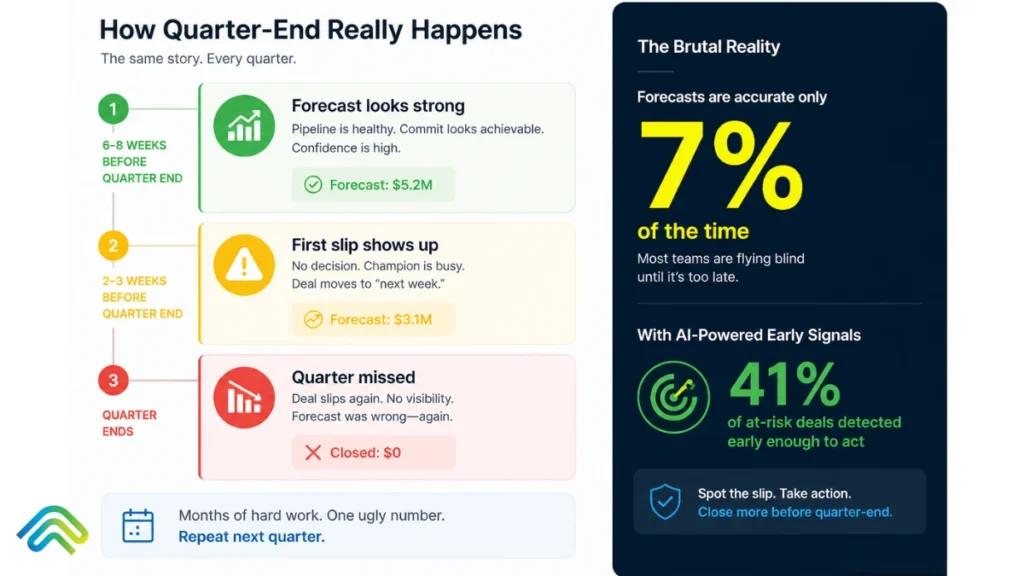
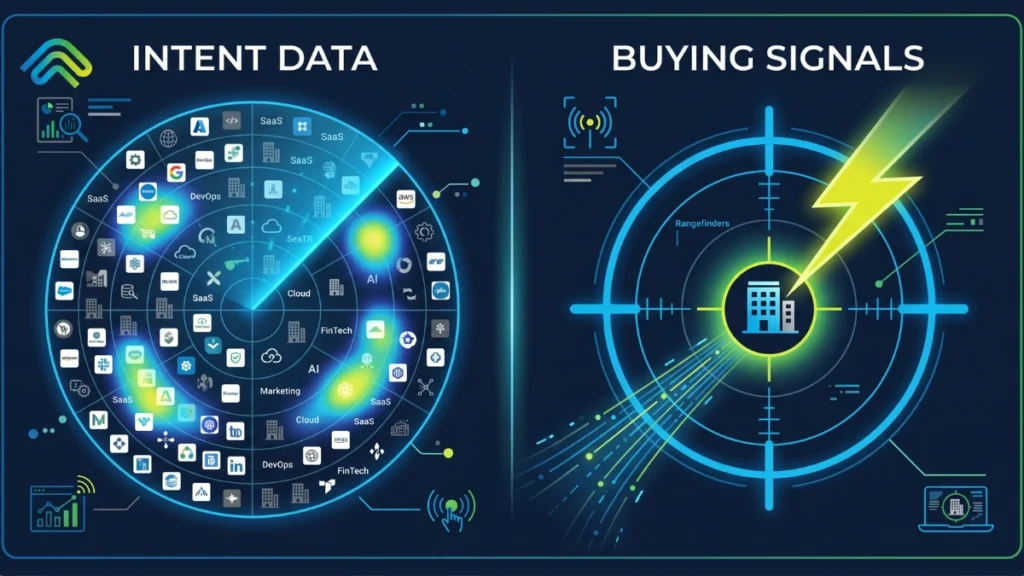
B2B sales (business-to-business) is the process of selling products or services from one business to another business, rather than to individual consumers. That definition has not changed. What has changed is everything around it. The real question is not just what is b2b sales, but how they function in the current buyer-driven market. B2B sales is undergoing its biggest structural shift in two decades. Buyers are no longer waiting for a sales rep to educate them. According to 6Sense, 81% of B2B buyers now choose their preferred vendor before they ever pick up the phone with a salesperson. This shift has forced sales teams to rethink how they engage prospects, personalize outreach, and identify buying intent much earlier in the journey. As a result, AI has moved from a pilot experiment to a daily operating reality. A Salesforce report found that 81% of sales teams use it somewhere in their workflow. Furthermore, capital efficiency has become non-negotiable, with median CAC payback now stretching to 20-23 months, according to Benchmarkit (2025). The selling motion that drove revenue in 2019 is not the one driving revenue in 2026. If we simplify the B2B sales meaning, it is still about businesses selling to businesses, but the way it happens has become far more complex, data-driven, and signal-led. In this guide, we’ll discuss the following: So, without any delay, let’s begin the guide! What is B2B Sales? B2B sales, or business-to-business sales, is the process where companies sell products or services to other companies rather than to individual consumers. Unlike B2C sales, B2B transactions usually involve higher deal values, longer decision-making cycles, multiple stakeholders, and more detailed evaluation processes. In practice, B2B sales work very differently from consumer purchasing. A person buying a laptop may decide in a single afternoon. A company purchasing an enterprise software platform, however, often goes through several stages before making a final decision. This process may include: Because of these steps, the buying journey can stretch across several weeks or even months. That complexity is not a flaw in the system. It reflects the scale of what is at stake. A poor enterprise-level software decision can lead to millions in losses, operational disruption, reduced productivity, and long-term business challenges. The buying process takes longer because the risks, investments, and expectations are significantly higher. Common B2B Sales Examples B2B sales occur across almost every industry, from technology to manufacturing. Here are some common real-world examples below: B2B Sales vs B2C Sales: What’s the Real Difference? The main difference between B2B and B2C is not a footnote. It influences every decision a sales organisation makes. From hiring and pipeline structure to performance measurement, it also shapes the overall B2B sales strategy. For a closer look at how inbound and outbound operate differently within B2B itself, see what is the actual difference between inbound and outbound B2B sales: Dimension B2B Sales B2C Sales Buyer The buyer is usually a business, company, or organisation purchasing for operational or growth needs. The buyer is typically an individual consumer purchasing for personal use. Average deal size Deal sizes are usually larger, ranging from $1,000 to $1M+ in annual contract value (ACV). Purchases are generally smaller, typically between $5 and $1,000. Sales cycle The sales cycle can take 30 days to 18 months, with 90–120 days being common in SaaS. Buying decisions are usually made within minutes, hours, or a few days. Decision-makers B2B purchases often involve 6–10 stakeholders as part of a buying committee. The decision is usually made by 1–2 people, such as an individual or a partner. Purchase rationale Businesses focus on ROI, efficiency, and long-term value, though emotions still influence decisions. Consumers are more influenced by emotions, lifestyle preferences, and impulse buying. Evaluation process Buyers often go through demos, trials, RFPs, security checks, and legal reviews before purchasing. Buyers mainly rely on reviews, photos, ratings, and quick product comparisons. Marketing approach Marketing is usually account-based, signal-led, and focused on educational content. Marketing depends more on ads, social media, branding, and mass-market campaigns. Relationship intensity B2B sales focus on long-term partnerships and multi-year contracts. B2C purchases are often transactional or one-time interactions. Sales team structure Companies often have specialised teams such as SDRs, AEs, CSMs, and RevOps professionals. Many B2C businesses rely more on marketing or self-service purchasing than on dedicated sales teams. Margin profile Businesses usually earn higher margins per deal but close fewer deals overall. Companies depend on lower margins per deal with much higher sales volume. The biggest difference between B2B and B2C sales is the buying committee. While a consumer can make a decision alone, B2B purchases usually require approval from multiple stakeholders, each with different priorities. For example, IT focuses on security, finance looks at cost, sales cares about adoption, and end users want a tool that makes their work easier. That is why multi-threading is so important in B2B sales. Successful reps build relationships with several decision-makers, because deals that rely on just one internal champion are far more likely to stall or fall apart. B2B vs B2C sales comparison – Spuriq.ai The Modern B2B Sales Process The B2B sales process has seven stages. Each stage demands a different skill set, a different type of conversation, and a different goal. The best sales organisations execute all seven with consistency. Outbound prospecting and outbound lead generation continue to play a critical role in the early stages of pipeline creation, especially in modern B2B revenue teams. Stage 1: Prospecting Every deal starts with a list, but not just any list. Great prospecting means identifying the right accounts before outreach even begins. In practice, this means building a list of companies that match the ideal customer profile and then finding the right contacts within them. In 2026, the best teams are not working from static databases. They are chasing signals. A logistics software company does not cold email every operations director it can find. It looks for companies that just raised a Series B, opened new warehouse locations, or