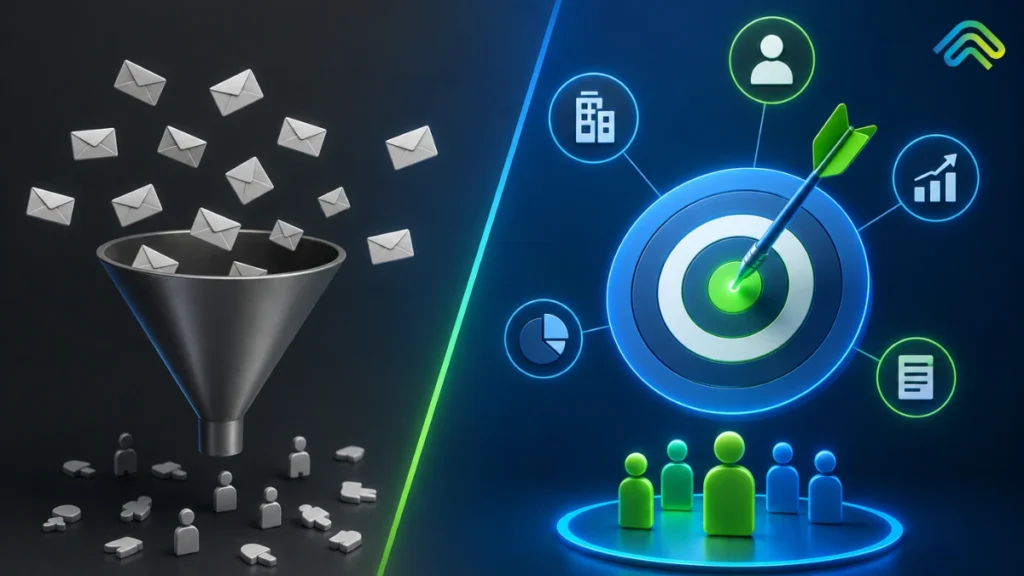
From Spray and Pray to Signal-Led Outbound: How to Make the Shift in 2026
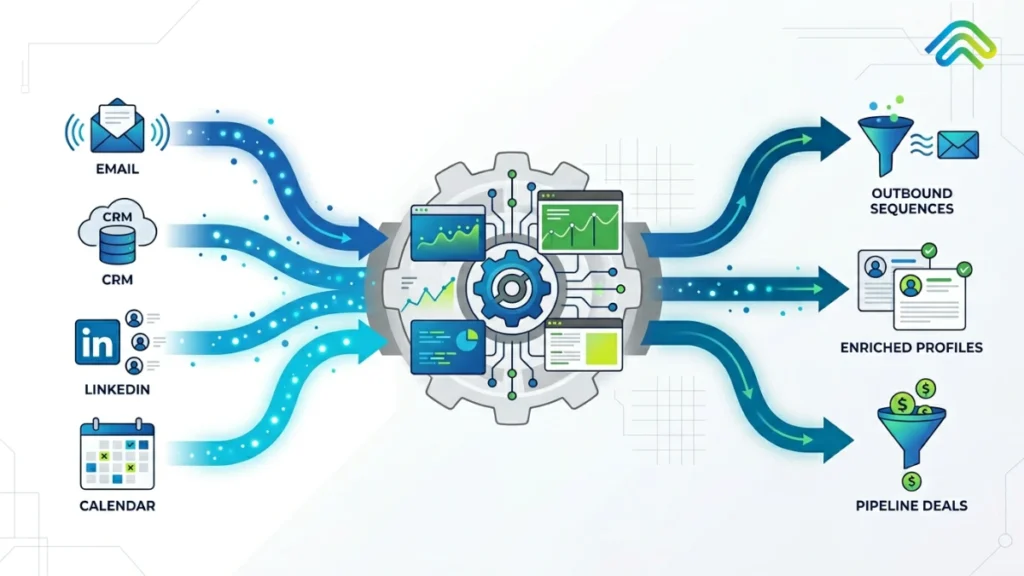
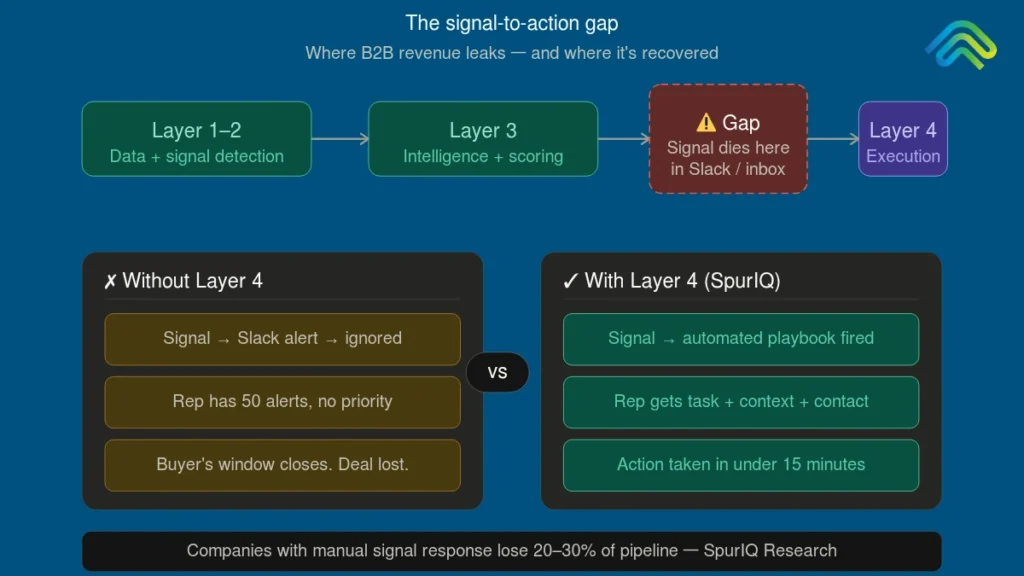
Most sales teams still run on spray and pray. Same list, same email, same silence, every month. Sound familiar? The numbers show how well that works: the average cold email reply rate is just 3.43%, according to the Instantly 2026 Benchmark Report. Fewer than four people respond for every 100 emails sent. The bigger issue is that 95% of your market is not actively buying at any given time, as explained by Professor John Dawes’ research on the 95:5 Rule. Traditional cold outbound treats every prospect the same, wasting effort on buyers who are not ready while generating low reply rates. Signal-led outbound changes that focus on buyers already showing purchase intent. Instead of interrupting everyone, it reaches the right people at the right time, often increasing reply rates to 15–25%. The challenge is that many teams stop after buying a signal detection tool. They can identify intent signals but struggle to turn them into effective outreach. Detection without execution changes very little. This guide walks through the complete shift from cold outreach to signal-led outbound, covering the four phases, realistic benchmarks, key metrics, and the execution strategies most teams overlook. Why Signal-Based Outbound Won? Signal-based outbound didn’t outperform because it reached more prospects. It won because it reached the right prospects at the right moment. Instead of guessing who might be interested, sales teams started acting on real buying signals. Here are the three shifts that changed outbound forever. 1. Inbox Saturation The average B2B buyer now receives more than 120 cold emails every week. Even well-written messages disappear in crowded inboxes because everyone follows the same volume-first strategy. Signal-based outbound breaks through the noise by reaching prospects after they show buying intent, making every email more timely and relevant instead of just another cold pitch. 2. Deliverability Collapse Sending thousands of cold emails from a single inbox damages domain reputation and forces teams to invest in burner domains, inbox warm-up, and constant infrastructure maintenance. Signal-based outbound reduces email volume by focusing only on high-intent prospects, helping protect deliverability while generating better results with fewer emails. 3. The 95:5 Problem At any given time, only about 5% of your market is actively looking to buy, yet traditional outbound treats every prospect the same. Signal-based outbound identifies those in-market buyers through intent signals, allowing sales teams to prioritize outreach where it’s most likely to convert instead of wasting effort on the remaining 95%. The results speak for themselves. Signal-triggered outreach often delivers reply rates of 15 to 25%. Growleads’ analysis of more than 200 B2B campaigns also found that programs using three to five intent signals achieved 4 to 10% meeting conversion rates. That means up to four times more replies and 30 to 40% lower cost per qualified meeting than traditional cold outbound. Want to see the difference in action? Read our full comparison of signal-based vs cold outbound. The 5 Signal Types That Actually Matter Not every signal is equal. The teams that build high-converting programs start by understanding the difference between a weak signal and a strong one, and they stack them. Here is a tiered breakdown of these five signals based on conversion potential. Tier 1: Job changes A new VP or Director stepping into a target role is one of the most powerful buying signals in B2B. They are rebuilding their stack. They have budget authority. They are open to new vendors because they are not yet locked into their predecessor’s choices. Reaching a new executive within two weeks of a job change consistently produces strong meeting rates. Tier 1: Funding rounds Funding rounds are one of the strongest company-event signals because they often indicate new budget and active investment plans. A company that has just raised money has a budget to spend and a headcount to grow. They are actively evaluating tools they could not justify six months ago. Funding triggers represent a genuine budget event, not vague interest. Tier 2: Intent signals Intent signals are buyer actions that indicate active interest in solving a problem. These include pricing page visits, G2 comparisons, competitor research, and content downloads. Furthermore, these signals show active evaluation behaviour. If you spot just one intent signal, it’s probably too early to reach out. But if you see three or more signals stacking up, you’re likely looking at a buyer who’s actively evaluating solutions. Tier 2: Hiring patterns A company hiring for the role your product supports is signalling both budget and pain at the same time. If they are building an SDR team, they need outbound tooling. If they are hiring a RevOps manager, they are investing in their revenue stack. Hiring patterns are a leading indicator worth watching closely. Tier 3: Technographic changes Tech stack adoptions, contract renewals, and vendor switches move slowly, but they add useful context when layered on top of Tier 1 or Tier 2 signals. The stacking rule A single signal is context. Stacked signals are intent. Most teams that struggle with signal-based outbound are acting on single signals rather than waiting for two or three to align. That is where the conversion gap comes from. Patience in signal stacking pays off more than speed in signal acting. The 4-Phase Transition From Cold to Signal-Led Moving from cold outbound to a signal-led strategy is not something you do overnight. It requires a structured process that lets you test, learn, and scale without disrupting your pipeline. The four phases below provide a practical roadmap to help you make the transition with confidence. Phase 1: Pick One Signal, One Segment (Week 1 to 2) Do not try to rebuild your entire outbound program in a week. Pick the single highest-converting signal for your ICP, usually job changes or funding rounds, and one target segment. Set up detection by connecting one signal source to watch 50 to 100 named accounts. LinkedIn Sales Navigator, Common Room, and Apollo all work for this purpose. Write two to three outreach templates built around that specific signal. Not generic